 Victor Wood Furniture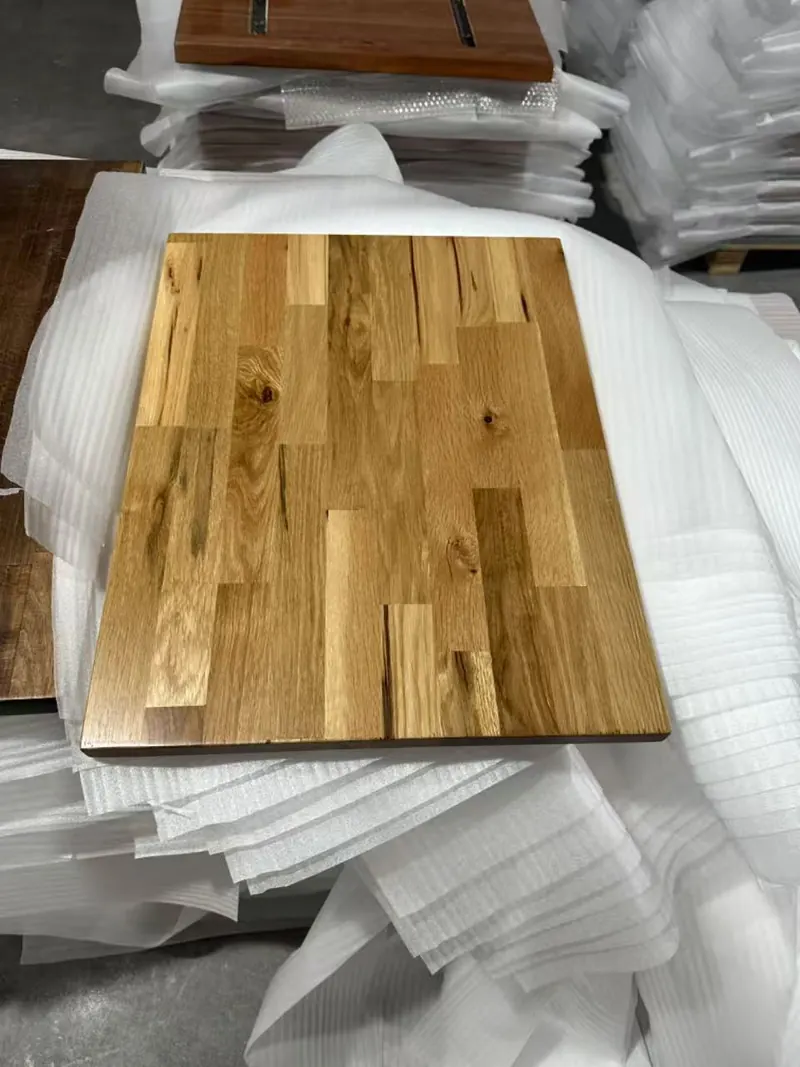
Comparison table for project buyers
| Decision | Butcher Block | Stainless Steel |
|---|---|---|
| Buyer profile | repairable solid wood construction, visible natural variation, and movement that must be considered during installation | a distinct balance of appearance, fabrication, maintenance, inspection, and supply considerations for stainless steel |
| Best fit | Projects that deliberately prioritize butcher block and can approve its specific tradeoffs | Projects that deliberately prioritize stainless steel and can approve its specific tradeoffs |
| Cost considerations | Quote butcher block with its actual fabrication, finish, inspection, and packing scope | Quote stainless steel with its actual fabrication, finish, inspection, and packing scope |
| Durability | Assess how butcher block responds to the intended use and repair plan | Assess how stainless steel responds to the intended use and repair plan |
| B2B control | Retain the approved specification and reference for butcher block | Retain the approved specification and reference for stainless steel |
Project considerations
Durability is not one number. It includes resistance to dents, movement, water exposure, coating wear, repairability, and the ability of the installer to support and fasten the top correctly.
One common mistake we see with butcher block vs stainless steel worktops is approving appearance without approving use conditions. A surface intended for a restaurant, rental property, or premium island needs a different maintenance and repair conversation.
For a hospitality buyer coordinating several room types, this part of the butcher block vs stainless steel worktops decision should center on drawing ownership and revision control before the order is approved.
Pros and cons in real projects
Cost changes with species yield, stave selection, panel size, thickness, machining time, finish system, inspection level, and packing strength. Compare quotations line by line before treating a lower total as equivalent.
Commercial buyers often choose the option that is easiest to inspect and reorder, not simply the lowest initial price. Clear tolerances and a retained sample usually protect more margin than a small unit-price reduction.
For a property manager planning future repairs, this part of the butcher block vs stainless steel worktops decision should center on sample retention and color acceptance before the order is approved.
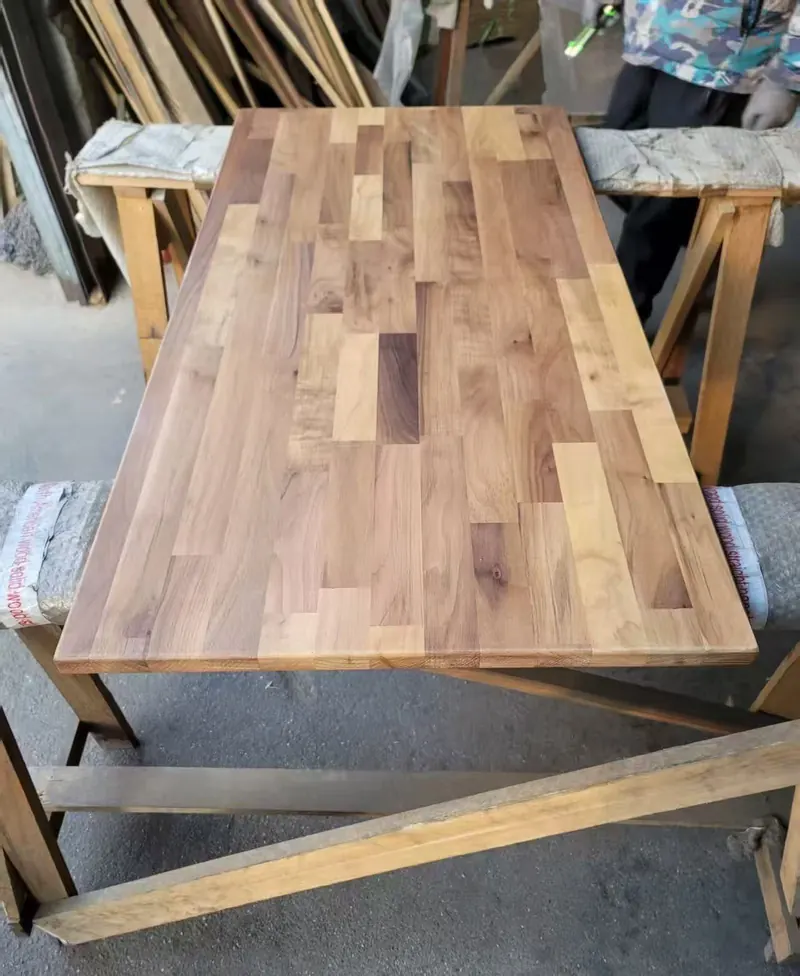
Butcher Block brings repairable solid wood construction, visible natural variation, and movement that must be considered during installation. By comparison, stainless steel brings a distinct balance of appearance, fabrication, maintenance, inspection, and supply considerations for stainless steel. Approve the tradeoff that matches the actual project rather than a generic material ranking.
Best-for scenarios
Approval should happen in stages: drawing, material or finish sample, pre-production sample when justified, production inspection, and packing confirmation. Skipping a stage transfers uncertainty to the receiving team.
In our experience, butcher block vs stainless steel worktops works best when the buyer converts visual expectations into measurable approvals. A named sample, drawing revision, moisture range, finish target, and packing method give production and inspection teams the same reference.
For a design brand protecting a premium finish standard, this part of the butcher block vs stainless steel worktops decision should center on moisture records and acclimation responsibility before the order is approved.
Cost analysis
Maintenance instructions are part of the product specification. State what cleaners are allowed, how standing water is handled, when an oil finish is renewed, and who repairs field-made cutouts.
Most distributors prefer a requirement that can survive staff changes and repeat orders. For butcher block vs stainless steel worktops, that means recording the decisions behind the product instead of relying on a quotation description alone.
For a contractor ordering a one-off kitchen island, this part of the butcher block vs stainless steel worktops decision should center on finish repair instructions and cleaning limits before the order is approved.
Durability and maintenance
A weak specification often uses broad phrases such as premium quality or standard packing. Replace them with photos, tolerances, named materials, label positions, and inspection records.
One common mistake we see with butcher block vs stainless steel worktops is approving appearance without approving use conditions. A surface intended for a restaurant, rental property, or premium island needs a different maintenance and repair conversation.
For an importer combining sizes in one container, this part of the butcher block vs stainless steel worktops decision should center on carton labeling and receiving inspection before the order is approved.
Manufacturing notes
For repeat orders, retain the approved sample, specification revision, inspection checklist, label artwork, and packing photos. Review every change before releasing the next purchase order.
Commercial buyers often choose the option that is easiest to inspect and reorder, not simply the lowest initial price. Clear tolerances and a retained sample usually protect more margin than a small unit-price reduction.
For a commercial team approving a repeat specification, this part of the butcher block vs stainless steel worktops decision should center on cutout sealing and installer responsibility before the order is approved.
For butcher block vs stainless steel worktops, production risk usually comes from unclear drawings, finish expectations, edge details, and packing standards. The safest purchase order names the approved sample and the inspection checklist.
Common mistakes
For butcher block vs stainless steel worktops, start with intended use, dimensions, construction, species, finish, cutouts, edge details, packaging, and acceptance criteria. Each item changes either manufacturing risk, installation responsibility, or long-term care.
In our experience, butcher block vs stainless steel worktops works best when the buyer converts visual expectations into measurable approvals. A named sample, drawing revision, moisture range, finish target, and packing method give production and inspection teams the same reference.
For a distributor launching a stocked collection, this part of the butcher block vs stainless steel worktops decision should center on flatness checks and support requirements before the order is approved.
B2B buyer notes
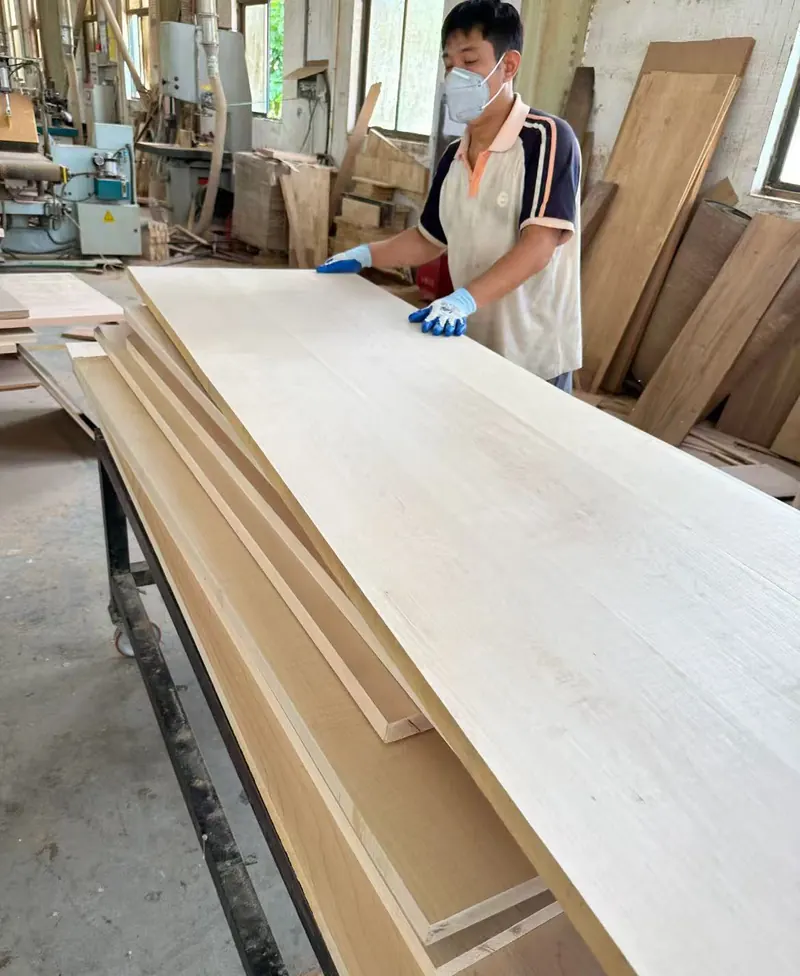
The factory should be able to explain how it controls moisture, glue application, pressing, sanding, machining, finishing, labeling, and packing. Buyers do not need proprietary process details, but they do need evidence that the requirement is repeatable.
Most distributors prefer a requirement that can survive staff changes and repeat orders. For butcher block vs stainless steel worktops, that means recording the decisions behind the product instead of relying on a quotation description alone.
For a retailer managing private-label packaging, this part of the butcher block vs stainless steel worktops decision should center on packing photographs and claim evidence before the order is approved.